


Motorcycle left-turn accidents spike every March in Virginia Beach as riders return to the road…
What Gear and Visibility Steps Matter Most for Winter Motorcycle Claims?
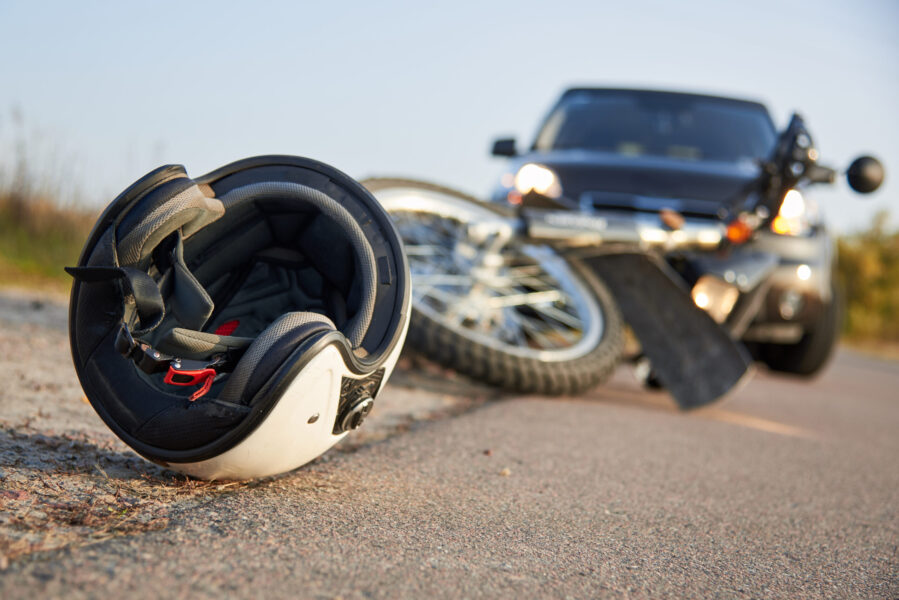
When you are involved in a motorcycle collision during the winter months, the gear you were wearing and the steps you took to remain visible become central to your injury claim. Insurance companies often scrutinize these factors, looking for ways to argue that the rider shares blame for the incident. Understanding how Virginia law, weather conditions, and physical evidence intersect is crucial for protecting your rights. An experienced motorcycle attorney in Virginia knows how to use this evidence to demonstrate another driver’s negligence, not shift focus onto the rider’s choices.
The moments following a winter motorcycle accident in Virginia are often filled with confusion. You may question whether your choice of helmet, your dark-colored jacket, or the condition of your tires will negatively impact your ability to recover compensation. The reality is that these elements are pieces of a much larger puzzle. The core of a successful claim lies in establishing how another party’s failure to operate their vehicle safely under challenging winter conditions directly caused your injuries. A skilled legal team focuses on the actions of the at-fault driver, using your gear and visibility measures as evidence that strengthens, rather than weakens, your case. The Motorcycle Injury Attorneys rely on this approach to protect injured riders throughout Virginia.
Understanding the specific gear and visibility issues that matter most in winter motorcycle claims can help you protect both your health and your legal rights. It clarifies how Virginia’s challenging winter environment amplifies risks and how physical evidence from the crash scene can be preserved to build a compelling argument for liability. For riders injured due to another’s negligence, knowing how to protect and present this evidence is the first step toward securing a fair outcome.
Why Winter Conditions in Virginia Increase the Risk of Motorcycle Crashes
Riding a motorcycle in Virginia during the winter presents a unique set of challenges that significantly increase the likelihood of a crash. Cold temperatures affect not only the rider’s ability to concentrate but also the motorcycle’s performance, particularly tire traction on cold pavement. Earlier sunsets and extended periods of dusk drastically reduce visibility, making it harder for other drivers to see a motorcycle. Furthermore, moisture from rain, sleet, or melting snow can create slick surfaces or freeze into treacherous black ice, often in shaded areas or on bridges where it is least expected. A winter motorcycle crash in Virginia frequently occurs because a driver fails to account for these hazardous conditions.
These environmental factors are central to claim evaluation and liability analysis. For instance, accidents often happen when a driver makes a sudden lane incursion, claiming they did not see the motorcycle due to low-angle sunlight or twilight conditions. However, the legal responsibility remains on the driver to operate their vehicle with heightened caution when visibility is compromised. Similarly, poor roadway maintenance, such as the failure to treat icy patches or clear debris, can contribute to a loss of control. In these situations, a motorcycle accident lawyer in Virginia Beach will investigate whether a government entity may share liability. The diminished traction and reduced sight distances inherent to winter riding mean that even a minor error by another motorist can lead to a severe cold-weather motorcycle accident in Virginia.
How Proper Winter Gear Influences Injury Severity and Claim Value
The protective gear a motorcyclist wears during a winter crash plays a direct role in mitigating the severity of their injuries and, consequently, influencing the value of their claim. Insulated riding jackets, pants with armored layers, winter-rated gloves, and reinforced boots are all designed to provide thermal protection and absorb impact forces. When a collision occurs, this specialized winter motorcycle gear in Virginia can prevent or reduce the extent of road rash, fractures, and soft tissue damage. The presence of high-quality, appropriate gear demonstrates that the rider took reasonable steps to protect themselves from foreseeable risks.
After a crash, the damaged gear itself becomes a critical piece of physical evidence. Scuffs on an armored jacket, tears in reinforced pants, or impact marks on boots can help reconstruct the accident sequence and corroborate the rider’s account of what happened. These marks can illustrate the points of impact and the forces exerted on the rider’s body. This is why preserving your motorcycle gear after an accident claim is so important. Insurance adjusters, however, may attempt to argue that inadequate gear contributed to the severity of the injuries. They might claim that if the rider had been wearing more robust protection, their injuries would have been less severe. The Motorcycle Injury Attorneys are skilled at countering this narrative, focusing instead on the fact that no amount of gear can prevent injuries caused by a negligent driver’s actions. A Virginia motorcycle injury lawyer will argue that the at-fault party is responsible for the harm caused, regardless of the rider’s apparel.
The Role of Helmet Choice and Condition in Winter Accident Claims
A helmet is the single most important piece of safety equipment for any motorcyclist, and its role becomes even more critical in winter conditions. Full-face helmets offer superior protection from both impact and the elements, shielding the rider from cold wind that can cause distraction and eye-watering. An anti-fog visor is essential for maintaining clear vision when temperature differences between the rider’s breath and the cold air can cause condensation. A properly fitted and secured chin strap ensures the helmet remains in place during a collision, providing maximum protection. These features are not just for comfort; they are vital for safe operation and visibility in winter.
The helmet’s condition after a winter motorcycle accident in Virginia can provide powerful evidence for a claim. Impact marks, cracks in the shell, or a compressed liner can show precisely where and how forcefully the rider’s head struck a surface. A shattered or scraped visor can support the rider’s testimony about the sequence of events. Under Virginia law, all motorcycle operators and passengers are required to wear a helmet that meets or exceeds the standards set by the Snell Memorial Foundation, the American National Standards Institute, or the U.S. Department of Transportation. While insurers will verify compliance, the focus of a skilled attorney is not just on whether a helmet was worn, but how its performance during the crash helps prove the other driver’s fault. A motorcycle attorney in Virginia will use the damaged helmet as a key exhibit to demonstrate the violent forces involved in the collision.
Why Visibility Equipment Matters More During Winter Riding
Motorcycle visibility in winter is a paramount concern. The season is characterized by low-angle sunlight that creates long shadows and blinding glare, making it difficult for drivers to spot a motorcycle’s narrow profile. Dusk arrives earlier, and overcast skies create a flat, gray light that reduces contrast. Compounding these issues is the dense holiday traffic that often clogs Virginia’s roads, creating more distractions for drivers. In this environment, a rider’s visibility equipment is not an optional accessory; it is a critical safety system.
Reflective materials on jackets, pants, and helmets can make a rider stand out in low-light conditions. Bright or contrasting clothing colors, such as fluorescent yellow or orange, can significantly improve daytime conspicuity against a bleak winter landscape. Furthermore, a motorcycle’s lighting system is vital. High-quality LED headlights are brighter and more noticeable, while ensuring that brake lights and turn signals are fully functional is essential for communicating the rider’s intentions. When a crash occurs because a driver claims they “did not see” the motorcycle, the rider’s visibility measures become a key point of contention. A motorcycle accident lawyer in Virginia Beach will use evidence of the rider’s high-visibility gear and functioning lights to prove that the driver was inattentive or negligent, not that the rider was invisible. The failure of a driver to see a conspicuous motorcyclist strengthens the foundation of a winter motorcycle crash claim.
How to Preserve Gear, Clothing, and Visibility Evidence After a Winter Crash
After a winter motorcycle crash, the instinct may be to clean up and discard damaged items. However, every piece of gear you were wearing is potential evidence. It is imperative that you preserve your damaged gear, including the helmet, jacket, pants, gloves, and boots, in the exact condition they were in immediately following the accident. A cracked helmet visor, torn clothing with road grime, scuffed boots, and even a malfunctioning lighting system from your motorcycle all tell a story. These items serve as physical proof that can help accident reconstruction experts determine the angle of impact, the speed of the vehicles, and the sequence of events.
Riders should resist the urge to clean, repair, or throw away any of these items before consulting with an attorney. For example, a tear in a jacket might contain paint transfer from the other vehicle, linking it directly to the collision. Scuff marks on boots can show how your foot was dragged or pinned. These details may seem minor, but they can be instrumental in refuting an insurer’s attempts to downplay the severity of the crash or shift blame. The Motorcycle Injury Attorneys advise clients to store all gear in a safe, dry place where it will not be disturbed. This preservation of evidence is a fundamental step in building a strong motorcycle gear accident claim and ensuring you have the proof needed to support your case.
How Insurers Evaluate Winter Motorcycle Gear and Visibility Issues
Insurance companies approach winter motorcycle claims with a specific strategy. They meticulously analyze the rider’s gear quality, visibility choices, and overall behavior to find any opportunity to assign partial fault. An adjuster may argue that a fogged visor obscured the rider’s vision, dark clothing made them difficult to see, or worn tires reduced their ability to stop safely. These arguments are designed to invoke Virginia’s strict contributory negligence law, which can bar a rider from recovering any compensation if they are found even one percent at fault.
An experienced Virginia motorcycle injury lawyer anticipates and challenges these tactics. The focus is shifted back to the primary cause of the accident: the other driver’s negligence. For example, if an insurer claims a fogged visor was a contributing factor, an attorney may counter by presenting evidence that the driver ran a red light, making the visor’s condition irrelevant. If dark clothing is cited, evidence of the motorcycle’s bright, functioning headlight can prove the rider was visible. An attorney will use police reports, witness statements, daylight data, and expert testimony to systematically dismantle the insurer’s arguments. The goal is to demonstrate that the driver’s failure to exercise reasonable care under the prevailing winter conditions was the sole proximate cause of the winter motorcycle crash in Virginia.
Why Legal Representation Is Critical After a Winter Motorcycle Crash
Successfully navigating a winter motorcycle crash claim in Virginia requires a deep understanding of complex and intersecting factors. It is not enough to simply state that another driver was at fault. A strong claim depends on a thorough analysis of weather patterns, official daylight data for the time of the accident, roadway conditions, and the performance of motorcycle gear. This is where the expertise of a specialized law firm becomes indispensable. The Motorcycle Injury Attorneys have the resources and knowledge to gather and interpret this highly specific evidence.
Our team consults with accident reconstructionists, engineers, and meteorologists to build a comprehensive picture of what happened. We know how to counter the strategies insurers use to shift blame onto riders, such as questioning their gear or visibility. We are dedicated to protecting the rights of injured motorcyclists and ensuring that their claims are valued fairly. Proper legal guidance levels the playing field, preventing insurance companies from taking advantage of a rider’s vulnerable position after a serious accident. If you have been injured in a winter motorcycle accident caused by Virginia drivers, securing experienced representation is the most important step you can take to protect the value of your claim and hold the negligent driver accountable.
Schedule a confidential consultation with The Motorcycle Injury Attorneys by calling (757) 695-9660 today.

Related Posts

This Post Has 0 Comments