


Motorcycle left-turn accidents spike every March in Virginia Beach as riders return to the road…
4 February Driving Hazards That Put Virginia Motorcyclists at Risk
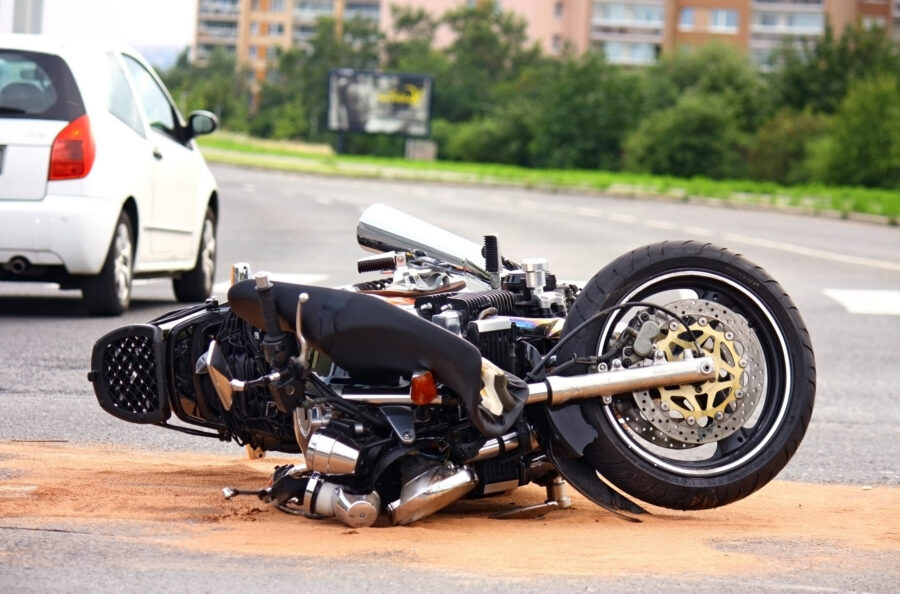
February brings unpredictable weather and dangerous road conditions that increase the risk of February motorcycle accidents for riders across Virginia. While some riders store their bikes for the winter, others take advantage of milder days to ride, only to encounter hazards that can turn an ordinary trip into a serious crash within seconds.
Unfortunately, even the most skilled riders cannot control the actions of other drivers or the condition of the road. When a crash occurs due to negligence or hazardous conditions, it is vital to have legal representation that understands the unique challenges of winter riding cases.
Hazard 1: Reduced Visibility
Poor visibility is one of the most dangerous winter motorcycle riding hazards riders face in February. February days are shorter, meaning more riders are commuting in the dark. Additionally, fog, rain, and overcast skies can make it difficult for other drivers to see a motorcycle on the road.
When visibility is low, drivers often misjudge the speed and distance of an approaching motorcycle, or fail to notice it altogether. This is a common factor in intersection accidents. Riders should ensure their gear includes reflective materials and that all lights on their motorcycle are functioning correctly. However, even with high-visibility gear, negligent drivers often fail to look twice.
If a driver claims they did not see you due to weather conditions, do not accept this as a valid excuse. Drivers have a responsibility to adjust their driving to the conditions. If they fail to do so and cause a crash, they should be held accountable for the resulting motorcycle accident injuries.
Hazard 2: Icy Patches and Black Ice
Temperatures in Virginia can fluctuate wildly in February, leading to freeze-thaw cycles that create treacherous road surfaces. While a road may look dry, shaded areas, bridges, and overpasses often harbor patches of black ice.
Striking a patch of ice on two wheels often causes an immediate loss of control, regardless of a rider’s experience or skill level. These crashes frequently result in severe motorcycle accident injuries, including road rash, fractures, and traumatic head injuries.
Insurance adjusters frequently label these crashes as single-vehicle accidents in an effort to place automatic blame on the rider. However, liability is not always that simple. Poor road maintenance or failure to treat icy surfaces by responsible parties can sometimes play a role. Furthermore, if another driver’s reckless behavior forced you to take evasive action onto an icy patch, that driver may be liable for your damages. Consulting a Virginia motorcycle accident lawyer can help clarify liability in these complex winter crash scenarios.
Hazard 3: Potholes and Road Debris
Winter weather takes a toll on Virginia’s infrastructure. The constant freezing and thawing of moisture in the pavement causes asphalt to crack and crumble, creating potholes. Snow plows and treatment trucks also leave behind salt and gravel that can act like marbles under a motorcycle’s tires.
Hitting a deep pothole or a patch of loose gravel can easily destabilize a motorcycle. This is particularly dangerous in curves or when braking. While cars can often roll over these hazards with little consequence, for a motorcyclist, they are major winter motorcycle riding hazards.
Riders scan the road constantly, but winter debris often appears without warning, leaving little time to react on two wheels. If you crash due to a road defect or debris left by a negligent construction crew or commercial vehicle, you may have a valid claim.
Hazard 4: Negligent or Distracted Drivers
In February, riders face their greatest danger from the drivers around them. Many motorists are not expecting to see motorcycles on the road during the winter. This lack of expectation creates a dangerous complacency. Drivers are less likely to check their blind spots for bikes or scan intersections properly before turning.
Distracted driving exacerbates this problem. A driver looking at their phone is already a danger, but when combined with the reduced visibility of winter, the results are often catastrophic. Motorcycle crash insurance claims involving distracted drivers are common. Proving negligence often depends on acting quickly to preserve evidence such as phone records or witness statements.
We see too many cases where a driver turns left in front of a rider or merges into them simply because they were not paying attention. These are not unavoidable accidents; they are preventable crashes caused by negligence. When this happens, you need a Virginia motorcycle accident lawyer who will fight aggressively to prove the other driver’s fault.
What to Do After a Motorcycle Accident
After a winter motorcycle crash, your first priority should always be your health. Seek medical attention right away, even if you think your injuries are minor. Documentation of your injuries is crucial for protecting any future motorcycle crash insurance claims.
Do not speak to insurance adjusters before consulting with counsel. They are trained to minimize payouts and will use anything you say against you. Instead, contact a legal team that specializes in motorcycle cases. We understand the biases riders face and know how to counter the tactics insurance companies use to devalue claims.
Protecting Your Rights This Winter
Riding in Virginia during February carries real risks, but you should not be left paying for a crash caused by someone else’s negligence. Whether it is reduced visibility, black ice, road debris, or a negligent driver, the consequences of a winter wreck can be life-altering.
We are committed to standing up for injured riders. We know the freedom of the ride, and we understand the devastation a crash can cause. If you or a loved one has suffered motorcycle accident injuries due to these February hazards, do not face the aftermath alone.
Schedule a confidential consultation with The Motorcycle Injury Attorneys by calling (757) 695-9660 today.

Related Posts

This Post Has 0 Comments